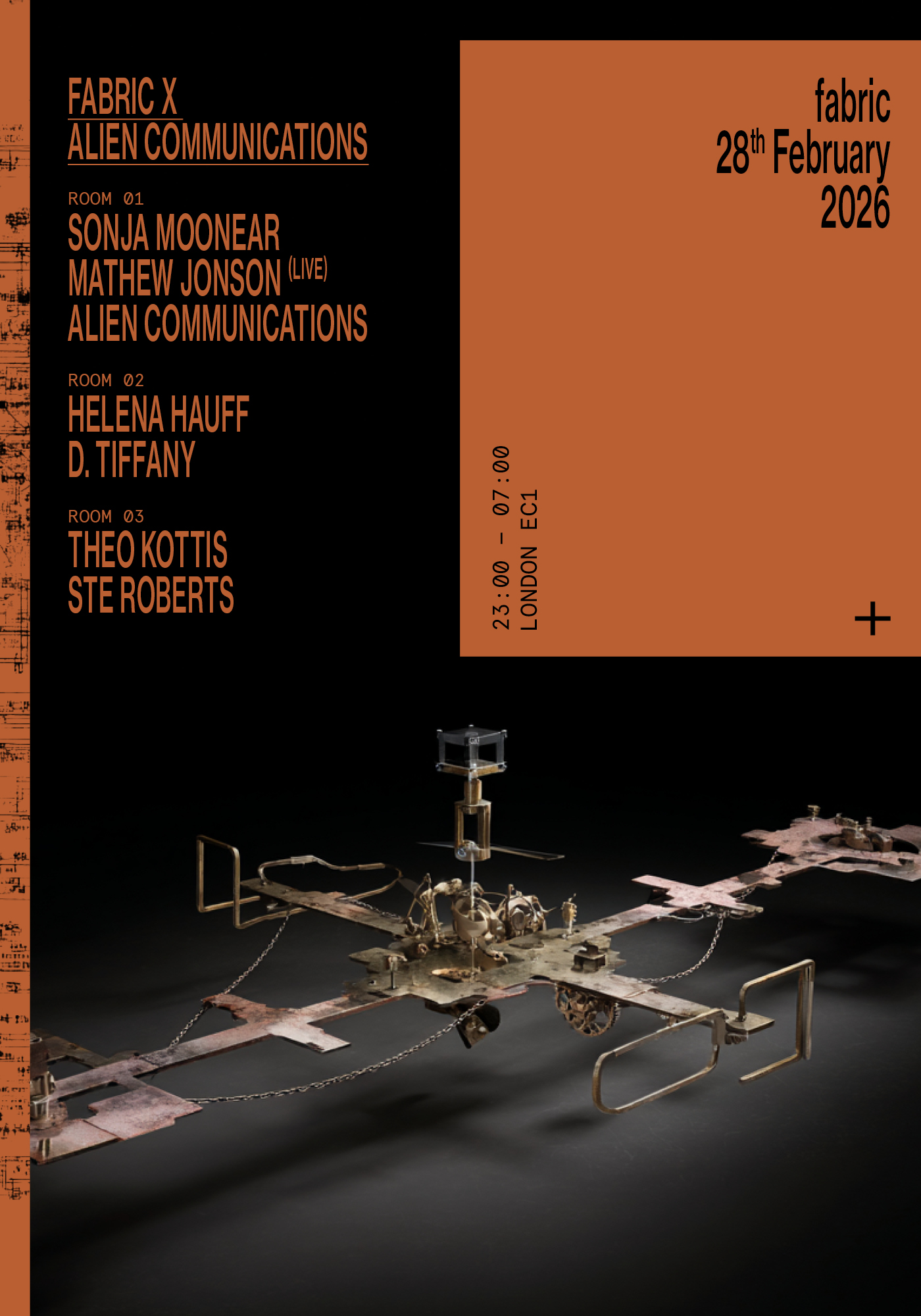
Mathew Jonson discusses technical aspects of his upcoming live show at fabric and his Freedom Engine Academy.
When you are playing live, what is the big challenge in translating sometimes complex studio production into a live setting?
The main challenge of performing studio productions with live outboard equipment is matching mix levels.
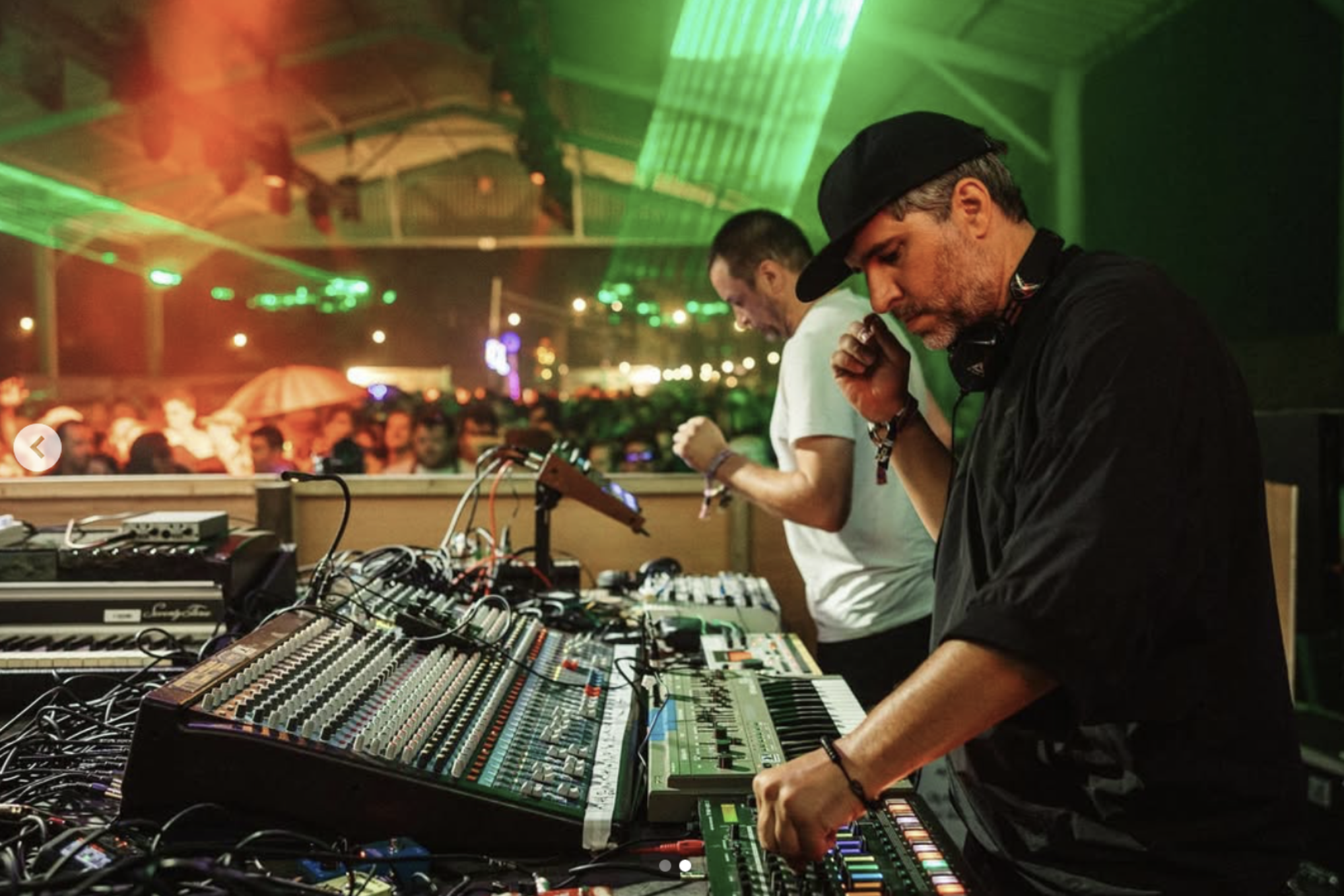
Using the Pioneer V10 on stage has made that much more attainable. It may not be the highest standard of analog audio, but it achieves a very good level for what it’s capable of, granted you sum at a reasonable level and don’t oversaturate the digital inputs. The compressor and maximizer on each channel, used sparingly on the outboard equipment specifically, add a bit of extra sound pressure. That helps bring those devices into alignment with the more processed sounds coming out of the computer.
Working with a six stereo channel mixer plus mic input means the instruments on stage run with serial effects. Each instrument has its own effects chain, similar to what you might accomplish by routing multiple effects units together on a studio console. For example, the Eventide Space pedal allows for delay, phaser, flanger, and reverb chains inside one unit.
What I enjoy is using a mix between stems from the computer and then accenting or creating completely new material using the outboard gear. When I’m playing at my best, I lean heavily on the hardware. Creating basslines and melodies from the SH-101, using the Roland vocoder for vocals and strings, sometimes the JD-800 clone for keys and pads.
Everything is in write mode. These machines allow for instantaneous creation of musical content.
One of the most important things is being able to perform live but still deliver momentum and energy on the dance floor. Being alone on stage, this combination allows me to introduce parts of tracks two or three songs before they actually appear. I can lead in and out of sections with the live gear in a way that feels more fluid than DJing.
I anticipate the direction well in advance and introduce ideas early. For example, singing a melody into the vocoder that might not fully arrive until two tracks later.
It takes a lot of practice. After more than 25 years of doing this, the muscle memory is there. It feels natural.
How does the Roland SH-101 remain a cornerstone of your sound after all these years?
The 101 is simplistic and sounds incredible.
It works in a lot of directions. Basslines, melodies, small ambient accents, even what might sound like arpeggiated lines, although I’m never using the arpeggiator. I’m programming it.
In the studio, it’s often a starting point because it’s quick. In seconds you can write a synthesizer line that becomes the foundation for what comes next.
On stage, it allows ideas to be transcribed directly onto the sound system almost immediately. If I hear something that’s needed in the mix, I create it quickly.
It’s a large format synthesizer. Ergonomic. Comfortable to perform on. The keyboard and the layout both make sense.
That’s why it remains a cornerstone in my music.
What is your philosophy on the balance between pre-programmed elements and real-time improvisation in your sets?
We started as a 100% improvisational group with Cobblestone Jazz. That was the foundation.
As we began releasing more records, we felt we should perform those songs live, so we brought in Ableton Live. After some time, the context felt off. Mixing stems from the computer with three people improvising reduced possibilities rather than expanding them.
It’s easier alone because it’s more controlled. With three people performing and interweaving pre-arranged material, it became limiting.
So we went back to fully improvisational shows.
There was risk. We had good shows and bad shows. But the highest moments made it worth it. Playing directly into a 24-channel desk, everything happening in real time, what you see is what you get.
That’s what made Cobblestone Jazz exciting to watch. You could hear and see it happening at the same time.
Even though you play live, do you still collect records? If so, who do you collect a lot of?
I’m still collecting records. Since focusing mainly on live performance and stepping away from professional DJ engagements, the purchasing has become more focused.
I don’t need new records every weekend like I did when I lived in Canada and played residencies.
There are certain American house producers I collect. Moodymann and Theo Parrish are the main ones. I seek those records out. Detroit house in general resonates with me. There’s an emotional connection in that music that I enjoy listening to at home.
I also collect a certain amount of synthwave, krautrock, and a lot of jazz. These days it tends to be mainly solo instrumentalists.
I still check the drum and bass sections, mainly mid-90s records. There’s a resurgence in drum and bass that I appreciate. Many producers are returning to that classic mid to late-90s sound but upgrading it.
That era always spoke to me. There was a musicality there that connected to the time I spent playing percussion in orchestras. I’ve always had an affinity for that music for that reason.
How do your early influences, like the breakdancing scene of the 80s, shape your approach to synthesizer melodies?
Half of my music is focused on dance and movement. The other half is more mental and experimental, creating an emotional and physical state that takes you slightly outside your normal experience.
When I’m writing dance music, I’m visualizing how people move. I think about what I’m doing physically in the studio. Am I sitting? Am I standing? Am I dancing?
If I’m dancing, that’s usually a good reference.
I still watch breakdance competitions almost daily. I’ve always been infatuated with breakdance culture and the music around it.
That connection between movement and sound is still a major influence on me, and it will continue to be.
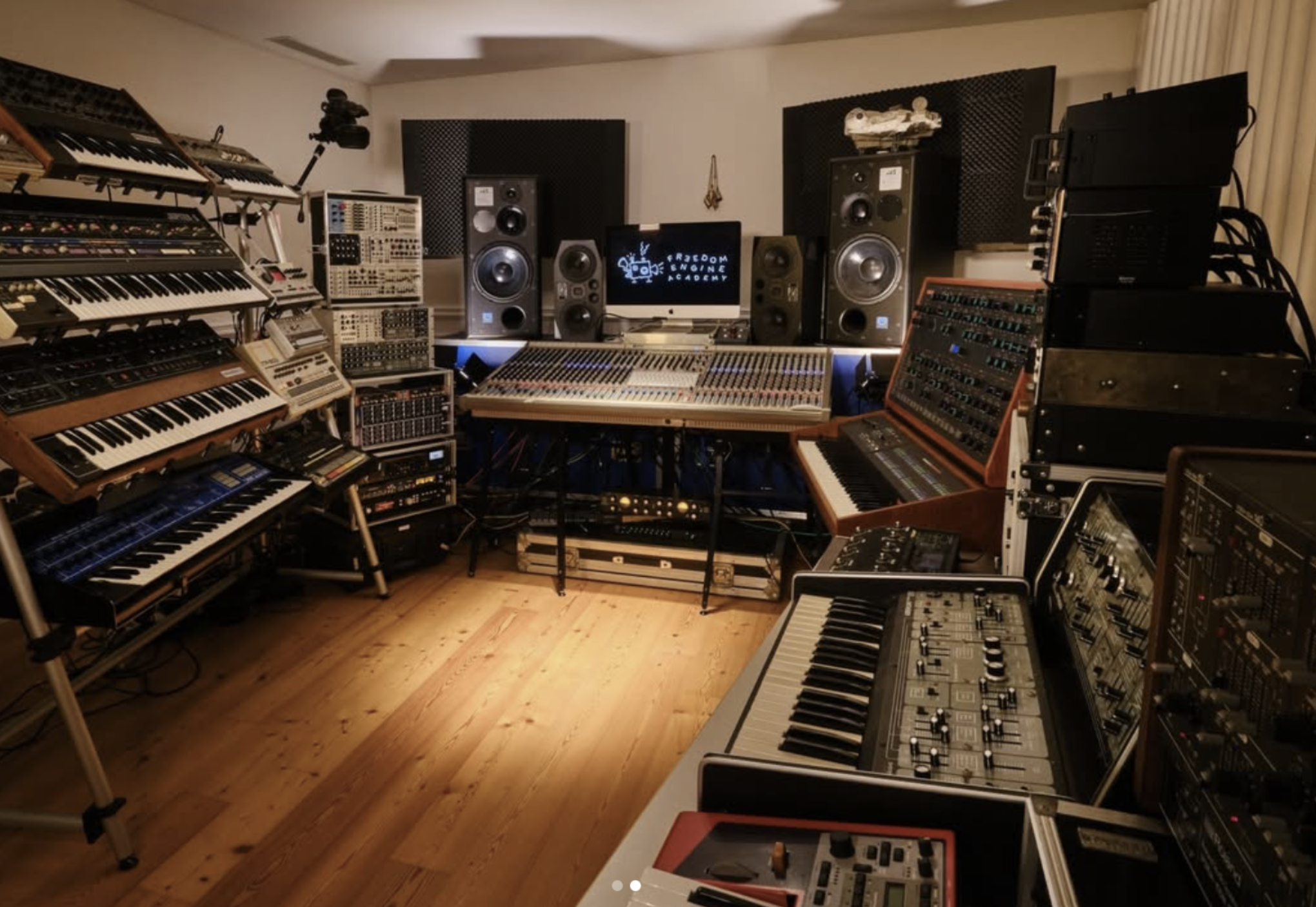
What inspired you to start Freedom Engine Academy and focus on music education? Any success stories?
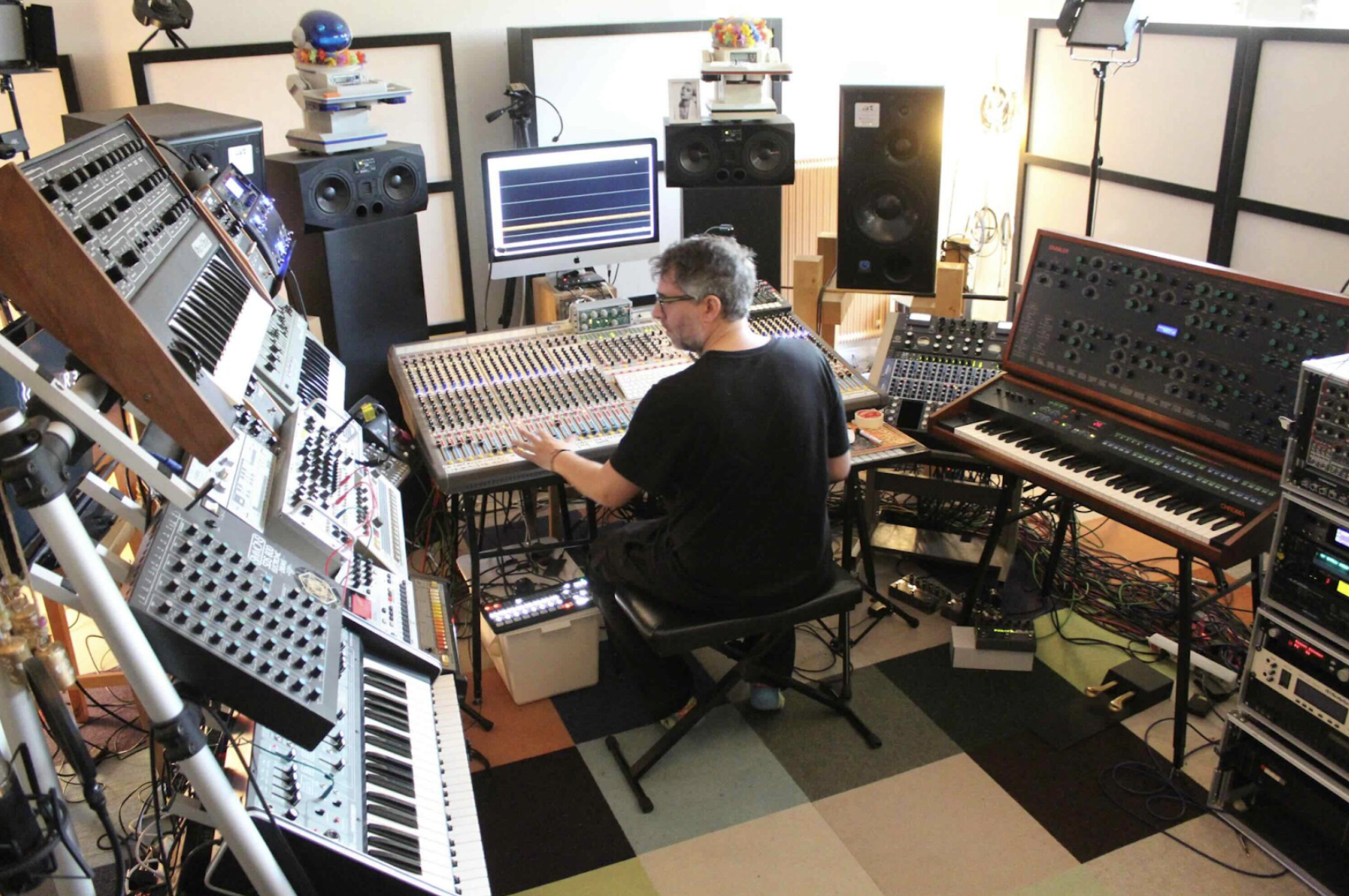
Freedom Engine Academy was created because of the gap left when Red Bull Music Academy ended in 2019 after the Berlin edition.
I worked with RMBA for close to 18 years and learned an enormous amount. When it ended, something was missing. So I built something smaller in format but with the same spirit of teaching, learning, and community.
We have some of the same staff involved. Erik Breuer, former head of RMBA Studios, is now one of our featured engineers, and we visit Brewery Studios in Berlin for a special class.
The most rewarding part is seeing people arrive as DJs or early-stage producers and then move into live performance. Sometimes during the Academy itself, sometimes shortly after.
Seeing that shift and the enjoyment they get from performing is incredibly satisfying.
We’ve had four successful years and we’re moving into the fifth in March.
What advice would you give to your 18-year-old self?
You’re going to receive a request to remix Depeche Mode.
I know you’re having fun, but don’t forget to check your emails.